Greater Manchester has launched a new transport policing command aimed at improving passenger safety across its buses, trams, roads and active travel routes.
The Transport Policing and Crime Command (TPACC) will bring together Greater Manchester Police, Transport for Greater Manchester and the Greater Manchester Combined Authority to improve how crime, antisocial behaviour and road safety issues are tackled across the region.
Led by Chief Superintendent Suzanne Downey, the command will effectively operate as GMP’s 11th policing district. More than 60 new officers are expected to work across the network, supported by TfGM staff and existing transport safety teams.
The initiative has been funded through the mayoral budget, with the aim of increasing police visibility without diverting existing GMP frontline resources.
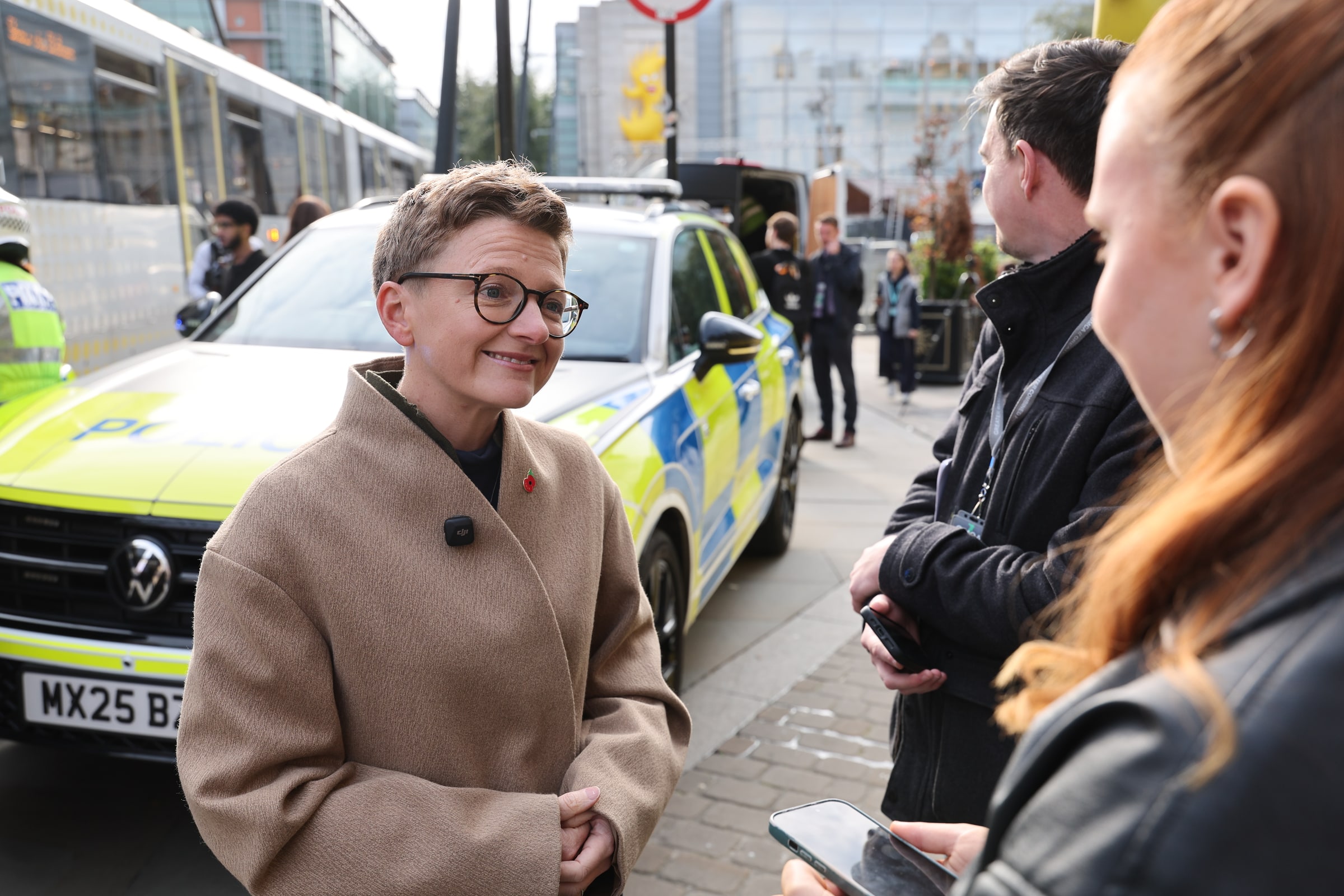
Mayor of Greater Manchester Bev Craig said the new command would bring together police and safety officers to strengthen patrols across the Bee Network and the region’s roads.
“One of the things that people have told me time and time again, is they want to see more police on the streets, they want to see us tackle antisocial behaviour, and they want to feel safe in their areas,” Bev Craig told me.
She said the approach would bring additional police officers and integrated command and control, allowing the transport system and police to work together to improve safety and reduce deaths on the roads.
The initiative is intended to provide a more coordinated response to incidents, with police and transport staff working more closely to identify problems and intervene quickly.
TPACC will also incorporate GMP’s existing Roads Policing Unit, which includes specialist teams responsible for traffic enforcement, commercial vehicles, motorcycle policing and serious collision investigations.
Officers will continue to carry out targeted operations against dangerous driving as part of Greater Manchester’s Vision Zero ambition to eliminate deaths and serious injuries on the region’s roads by 2040.
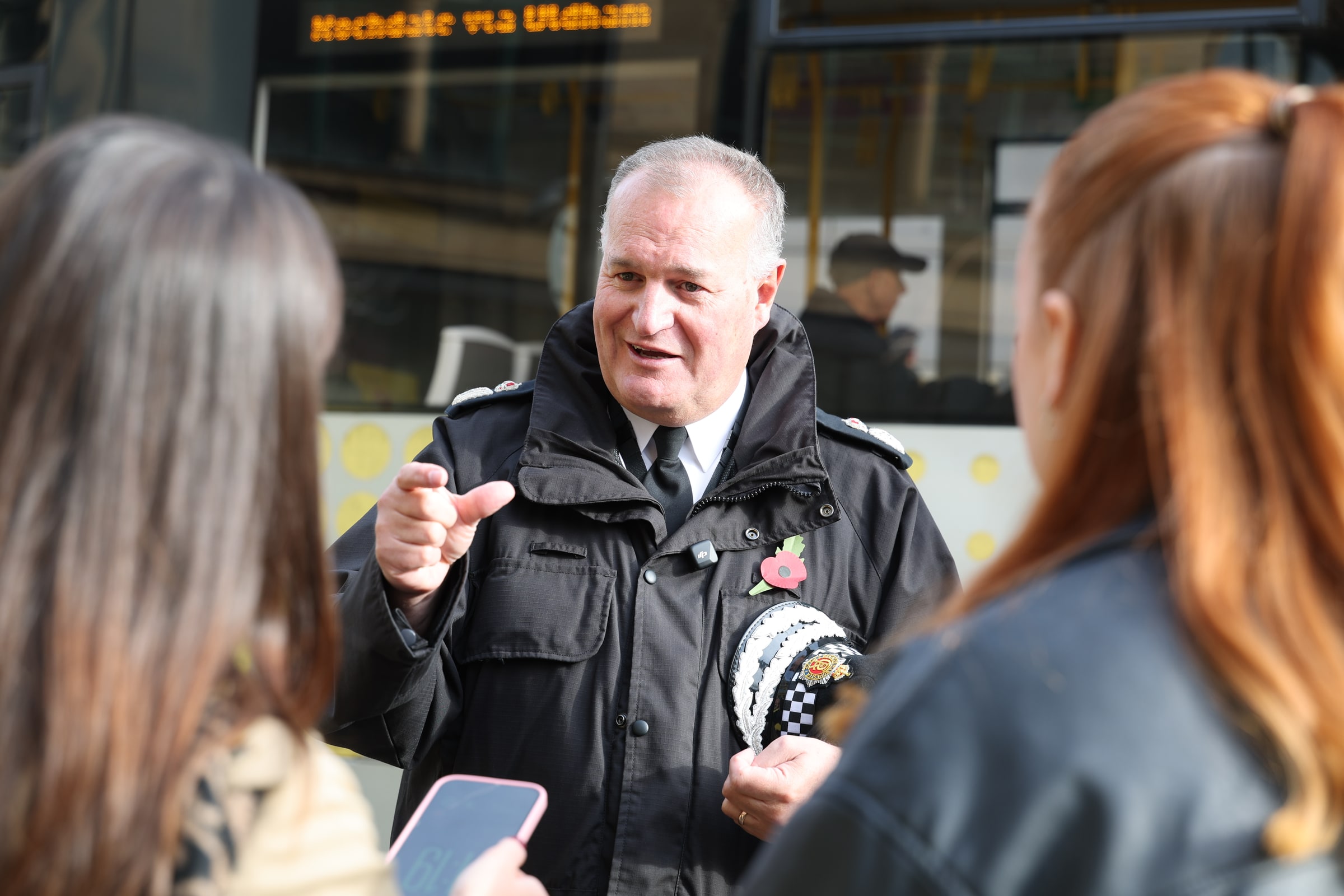
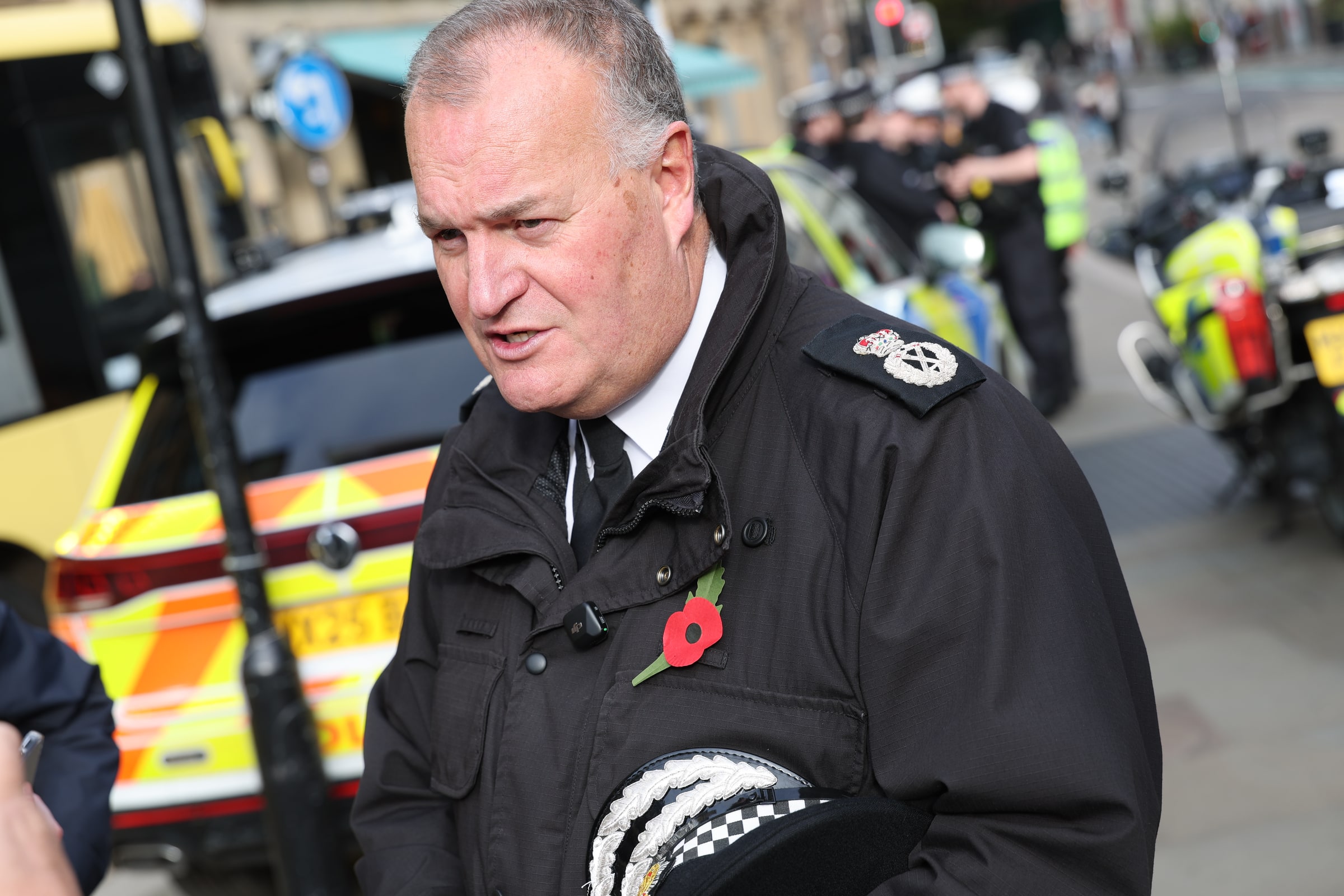
Chief Constable Sir Stephen Watson said the new structure would bring policing, intelligence and transport partners closer together, allowing for a more effective response to incidents and greater reassurance for passengers.
“One of the things that we're very fortunate to have in greater Manchester is the mayoral system. So we can work in tandem with other partners, such as Transport for Greater Manchester,” Sir Stephen Watson said.
“That isn't always available to everybody, but because it's part of the GM system, we can work together in ways that, in this case, means that we all come together to do the right thing for the right reasons.”
The command will take a problem-solving approach modelled on Operation Vulcan, which GMP has used to tackle crime and antisocial behaviour through coordinated enforcement and partnership work.
Over time, the initiative is expected to increase the visible policing presence across the network, alongside existing TravelSafe Support and Enforcement Officers, Metrolink TravelSafe Officers, customer service representatives and other operational staff.
The launch builds on the existing TravelSafe LiveChat service, which was rolled out last year. It allows passengers to report incidents discreetly through QR codes on buses and trams or via the Bee Network app, with reports assessed in real time.
According to TfGM, more than 2,000 reports have been made through the service, prompting police responses to 800 incidents.
GMP and TfGM control centre staff will also be able to draw on CCTV coverage across the network. TfGM has more than 2,500 cameras covering stops, stations and onboard vehicles, helping teams monitor incidents and coordinate responses.
The new command is also intended to support efforts to make public transport more welcoming and accessible, with a particular focus on the safety and security of women and girls travelling across Greater Manchester.
Further measures planned by transport authorities include improvements to bus and tram stops, interchanges and railway stations, including better lighting and real-time travel information.
Transport Commissioner Vernon Everitt said the command would provide a more joined-up approach to addressing issues that matter to passengers, including antisocial behaviour on public transport and dangerous behaviour on the roads.
The launch marks a further step in Greater Manchester’s plans to increase confidence in the Bee Network as the region continues to bring its public transport services together under a single network.